God is forming you into the image and likeness of Christ.

New Images Free Christian Memes
Memes You Can Use
God is forming you into the image and likeness of Christ.
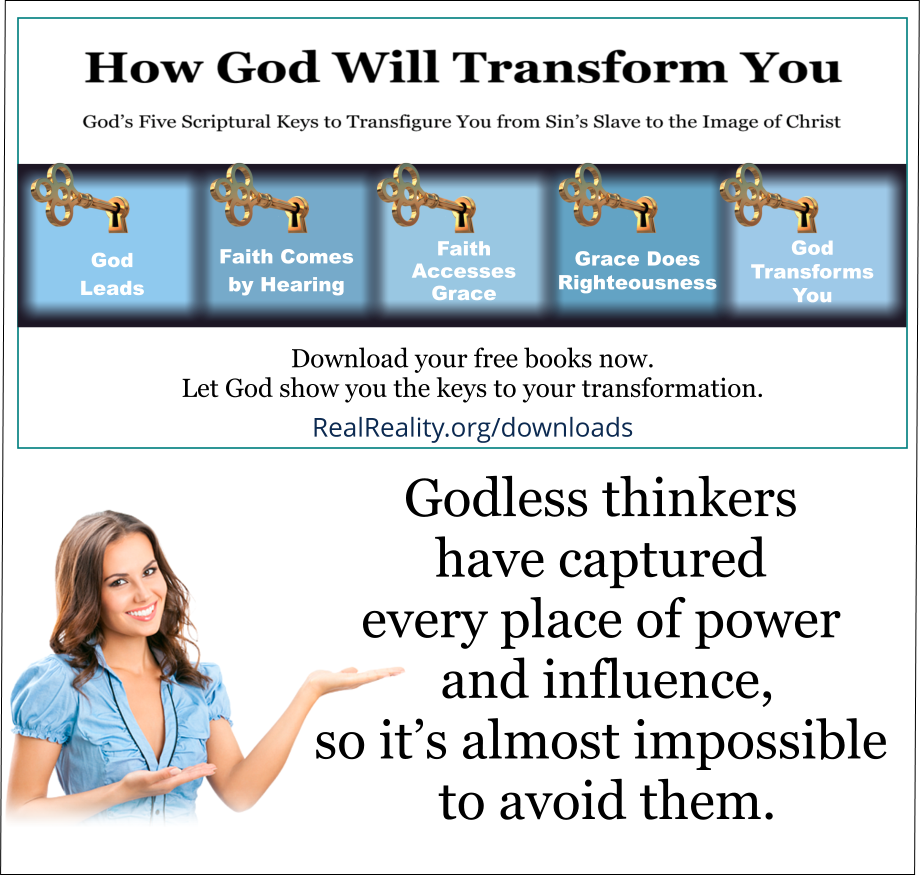
Godless thinkers have captured every place of power and influence, so it’s almost impossible to avoid them.
(Quote from https://realreality.org/downloads/how-god-will-transform-you/)
What then? Are there no limitations to the measure of power which the saints may appropriate? Yes, indeed; but they are the limitations that they themselves erect in unbelief. ~ “Feast of Tabernacles
Little by little God is changing you. That is, if you are listening to His voice and walking in submission to His Spirit.

When I say “godless,” I don’t mean these people have no god. They just don’t know God. They don’t stand in God’s presence and receive His Truth. Many of them are religious. They have forms and rituals but don’t know the King of kings and Lord of lords intimately. They don’t walk in the righteousness of Christ.
(Quote from https://realreality.org/downloads/how-god-will-transform-you/)

Those depths of God are unsearchable, for God is both infinite and eternal. ~ “Feast of Tabernacles”

Jesus Christ is the Pathway to Life, and He’s the truth or light that shines on that Pathway. (see John 14:6)

We cannot know these things in the natural; hence the Spirit of God is imparted to search out and explore “all things, yea, the deep things of God” (1Cor. 2:10,12). ~ “Feast of Tabernacles”

Learn the difference between Christ’s coming (abiding presence) and Christ’s bodily return
“the being beside.” From this, we could say it means “the personal presence.”
This word is applied to Christ, but it’s also applied to others in the Bible. In addition, it was a common word in Greek literature of the day.
It has been given a meaning to fit into the context of popular theology, but this makes Scripture hard to understand. The fact that many theologians think a certain way doesn’t change Scripture.
(1) “Parousia” (parousia), a word fairly common in Greek, with the meaning “presence” (2 Corinthians 10:10; Philippians 2:12). More especially it may mean “presence after absence,” “arrival” (but not “return,” unless this is given by the context),
This definition goes on to name some examples where it could mean “return” by the context, but none of those examples demand changing the definition to “return.” The context here is the context of modern theology rather than the context of the language itself. The definition also explains that, it is in modern theology that this word, “parousia,” has been used to mean the “Second Coming.” It might be important to note that the term “Second Coming” is not in Scripture. This is a theological term. That doesn’t mean Christ won’t return since the angels assured the disciples Jesus would return as they stood gazing upward on the Mount of Ascension.
a presence, a coming.
Parousia is “used in the east as a technical expression for the royal visit of a king, or emperor. The word means literally ‘the being beside,’ thus, ‘the personal presence’ “

God speaks through those who follow Christ.

God may bring a word you heard long ago in a church service.

God also speaks to you by bringing teaching, Bible verses, testimonies, or any of His statements and revelations to your mind.

God will never give you a dream, vision, or prophecy that conflicts with Scripture. You might hear someone claim to have a dream, vision, or prophetic word that does conflict with Scripture, but they’re wrong.

You will never observe anything in science that conflicts with Scripture. However, you will hear people say the word “science” as they tell lies that conflict with Scripture.

Whoever listens to God will dwell safely and will be secure, without fear of evil.

Christians often speak of hearing a peaceful inner voice or receiving a strong impression from the Holy Spirit. God can speak to you that way too.

Elijah heard God in a still small voice.

God speaks to you through your intuition.

God can speak to you through visions and dreams.

If Jesus couldn’t say His own words, or do His own acts but only what came from the Father, who do we think we are?